Schedule Appointment
Podcast

FAQ: Fertility for Black Women

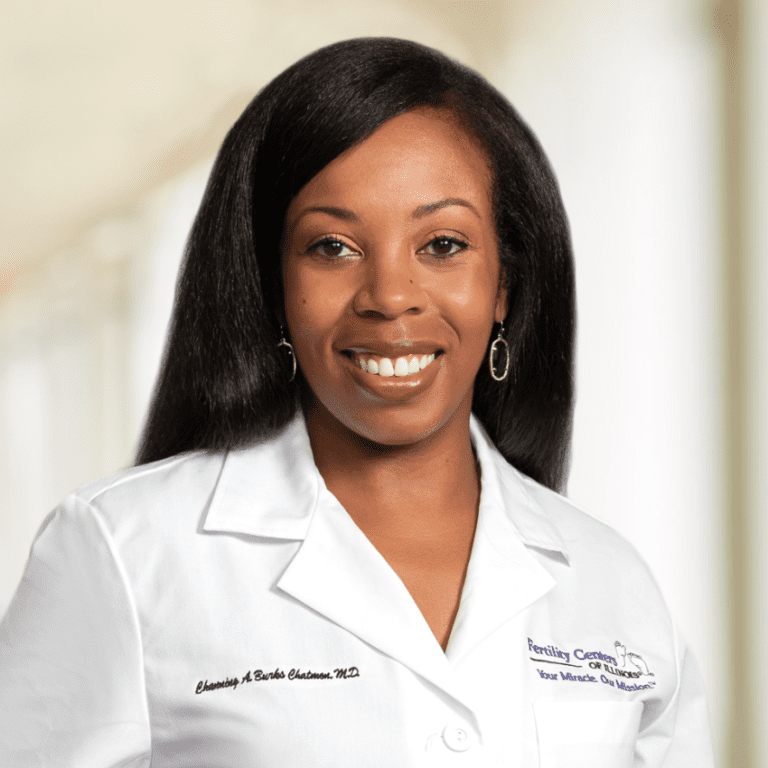
In recognition of Black History Month, Dr. Channing Burks Chatmon is raising awareness and creating a dialogue about infertility in the black community. Join Dr. Burks Chatmon as she shares valuable insights about fertility for Black women and couples like common diagnoses that can lead to infertility, tips for finding a doctor you can trust, and how to improve your chances of conceiving.

FAQ: Fertility for Black women and couples

Discussing fertility for Black women and couples is essential because Black women experience higher rates of certain reproductive health conditions and infertility risk factors, yet often have less access to fertility care or delay seeking care, which leads to being diagnosed later, which impacts reproductive outcomes. Research shows disparities in evaluation, treatment, and outcomes for infertility in Black women. Increasing awareness supports earlier intervention, informed decision-making, and improved access to fertility care for Black women and couples.

Some of the most common causes of infertility in Black women include uterine fibroids, polycystic ovary syndrome (PCOS) and other ovulatory disorders and tubal factor infertility. These conditions can affect fertility, but early diagnosis and individualized treatment can significantly improve outcomes.

If you suspect fertility challenges, consider asking:

  • Is my menstrual cycle normal?
  • Should I be evaluated for fibroids, PCOS, or other causes of infertility?
  • What fertility tests are appropriate based on my age and medical history?
  • When should my partner be evaluated?
  • What treatment options are available if an issue is identified?

Open communication with your physician is a critical part of fertility care for Black women.

Finding a physician who listens, explains options clearly, and respects patient concerns is especially important in fertility care. Women may benefit from seeking providers with experience caring for diverse patient populations. Scheduling a consultation, asking direct questions, and assessing whether you feel heard and supported can help determine if a provider is the right fit.

Fibroids are benign (noncancerous) tumors of the uterus that develop from the uterine muscle. Black women are more likely to develop fibroids at a younger age, have larger or multiple fibroids, and experience more severe symptoms. While the exact cause is unknown, genetics and hormonal factors are believed to play a role.

Fibroids can affect fertility depending on their size and location. Some fibroids may interfere with embryo implantation, distort the uterine cavity, block fallopian tubes, or increase miscarriage risk. Not all fibroids impact fertility, but in cases where they do, treatment may improve the chance of conception.

Symptoms may include heavy or prolonged menstrual bleeding, pelvic pain or pressure, abdominal bloating, frequent urination, constipation, or painful periods. Some women with fibroids have no symptoms, which is why regular gynecologic care is important for early detection.

Fibroids are typically diagnosed through a pelvic exam and confirmed with imaging, most commonly ultrasound. In some cases, a saline sonogram or MRI may be used for more detailed evaluation, especially when fertility or surgical planning is involved.

Weight can influence hormone regulation, ovulation, and menstrual regularity. Both excess weight and being underweight can contribute to infertility by disrupting normal reproductive hormone function. Weight can also worsen conditions such as PCOS, which is a common cause of infertility in Black women.

Rather than focusing on a specific number, women should aim for a weight that supports hormonal balance, regular ovulation, and overall health. Individualized guidance from a physician is important, as healthy weight ranges vary between patients.

A fertility-supportive diet includes fruits, vegetables, whole grains, lean proteins, healthy fats, and iron-rich foods. Reducing intake of highly processed foods, excess sugar, and alcohol may support reproductive health. Sustainable, balanced nutrition is more beneficial than restrictive dieting.

Moderate, consistent physical activity — such as walking, strength training, yoga, swimming, or cycling — supports overall health and fertility. Most women benefit from approximately 150 minutes of moderate exercise per week. Excessive or high-intensity exercise may negatively affect ovulation in some individuals.

Weight management should prioritize long-term health rather than rapid changes. Stress reduction, adequate sleep, and mental well-being are equally important factors in fertility. A compassionate, individualized approach leads to more sustainable results.

Infertility is common and affects many individuals and couples. Fertility challenges are not a personal failure. Partner evaluation is also important, as male factor is found on evaluation just as commonly as a female factor. There are many effective treatment options that are available and early evaluation often leads to better outcomes.

Fertility challenges can be emotionally difficult, but help is available. With the right evaluation, support, and care team, many women and couples are able to achieve their family-building goals. Advocating for yourself and seeking care early are powerful steps forward.

The Time to Talk Fertility podcast releases new episodes monthly and is available on Apple Podcasts, iHeartRadioStitcherTune InGoogle Play and Spotify.

Medical contribution by Channing Burks Chatmon, M.D.

Dr. Channing Burks Chatmon is a reproductive endocrinologist and board-certified obstetrician and gynecologist who is passionate about supporting and guiding patients with personalized and evidence-based treatment options to fulfill their dream of having a family.


Make an appointment today

Schedule now