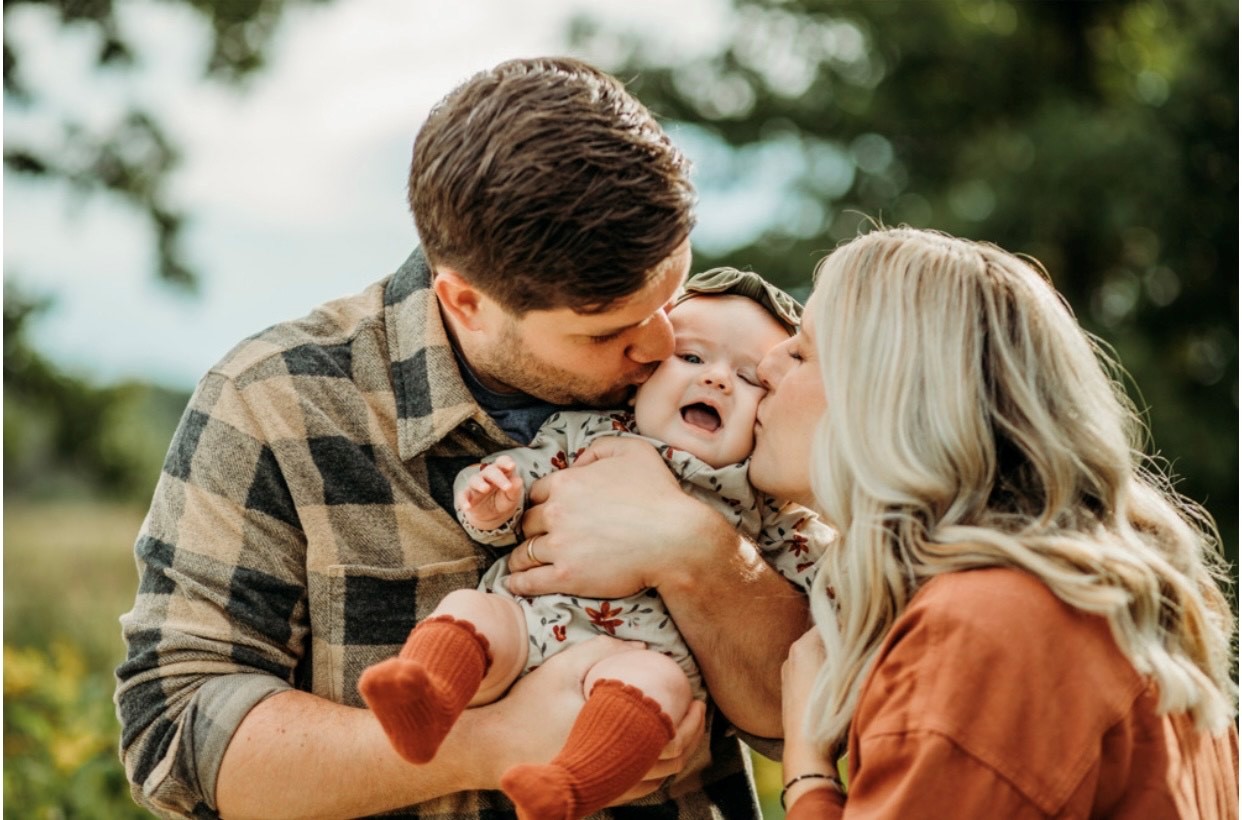
Celebrate every little thing
Kelli and her husband were “at that age” when everyone around them seemed to be having kids, and they couldn’t wait to welcome one of their own. While they were eager to start a family right away, they figured it would take a few months of trying before Kelli would be pregnant and that they would have to be patient throughout the process. They weren’t expecting month after month to go by with no positive pregnancy test.
Getting fertility testing
After a whole year had passed, Kelli was feeling defeated. Watching friends and family share pregnancy announcements and listening to them talk about their growing families was discouraging. Kelli wanted answers about why it wasn’t happening for them and suggested to her husband that it was time to go to her OB/Gyn. Kelli’s doctor referred them to Fertility Centers of Illinois, a decision that was supported by several friends who had successful pregnancies because of FCI.
Fertility testing suggested that the couple struggled to conceive because of male factor infertility and polycystic ovary syndrome (PCOS). Dr. Asima Ahmad recommended that their best chance of getting pregnant was by using donor sperm with treatment, which came as a shock to the couple who had never considered that they could be the “1 in 8” who struggle with infertility.
Instead of jumping straight into treatment, the couple took some time to wrap their heads around the diagnosis and explore their options. Weighting their options of doing fertility treatments or adopting a baby, they ultimately decided that treatment was the best path forward for them.
Beginning treatment
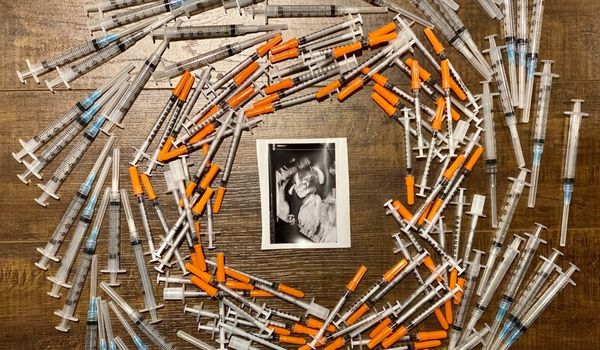
Despite being apprehensive about the treatment process, Kelli knew she wanted to carry the pregnancy and her husband wanted to support his wife and future child every step of the way. When contemplating the realities of treatment Kelli quipped, “I had a giant fear of needles. I would pass out if I gave blood. Obviously, I got over that quick.”
In early 2020, the couple did two intrauterine insemination (IUI) using donor sperm, but, sadly, neither procedure resulted in a pregnancy. Dr. Ahmad counseled Kelli and her husband on their options, and they decided to give in vitro fertilization (IVF) a try.
Kelli and her husband did their first round of IVF a few months later. They were thrilled to find out after the procedure that they were pregnant, but their joy was short lived. At just five weeks, they learned it was a chemical pregnancy.
Prioritizing self-care
Years of yearning for a baby combined with multiple failed cycles and a miscarriage weighed heavy on Kelli. “Dealing with infertility is very isolating. I was struggling with going to work and having a social life. I would be at a wedding, and we had a cooler of needles with us. We’d be going in the bathroom to do my shots while our friends were dancing and drinking. Life doesn’t stop when you’re going through it.”
Though she understood the hardships of going through IVF, Kelli struggled to accept her feelings relating to infertility and treatment. She continued, “You may feel like, “Oh, it’s so silly. Why am I getting so upset about this? I can’t have a baby. I can’t believe I’m getting so upset. I have food and a place to stay. There are so many other problems in the world. But it started to take a toll on my mental health.”
Kelli was in a difficult place, but she wanted to take control of her wellbeing. She built up an even stronger support system by speaking with a therapist, attending support groups, and leaning more on her husband.
Support groups gave her validation for what she was feeling, which helped her feel less isolated. The therapist also helped Kelli and her husband develop tools to cope with going through treatment. “One specific idea she gave my husband and me was to celebrate every little thing. Whether that was getting to the point of egg retrieval or getting to a transfer. We would go out to our favorite taco place. It was those little things.” Her husband also found ways to show her additional support. Kelli shared, “He would give me my shots and bring me little gifts like a bag of chocolate. Tiny little reminders of, hey, we got this. It made a difference.”
She also started communicating more with friends and family about what she needed, and what she didn’t. She shared, “It’s important to tell people like your friends and family what you need when going through treatment. Whether that’s, ‘I just need you to listen,’ and not tell me, ‘Oh it’s going to work out. Just wait.’ Or if you have to take a break and not go to a baby shower with your friends and their kids. You have to put yourself first through all of this or it’s going to be difficult emotionally.”
Continuing her IVF journey
Even though the road was difficult, Kelli and her husband stayed the course in their pursuit of parenthood. Just before the holiday season, they underwent another IVF cycle. Unfortunately, they would not be celebrating a little miracle during the holidays. The embryo transfer did not take, and they would have to comfort each other through another difficult holiday season.
Over the next eight months, Kelli would undergo two more egg retrievals and several variations of medication protocols before going through with another frozen embryo transfer (FET) in August 2021.
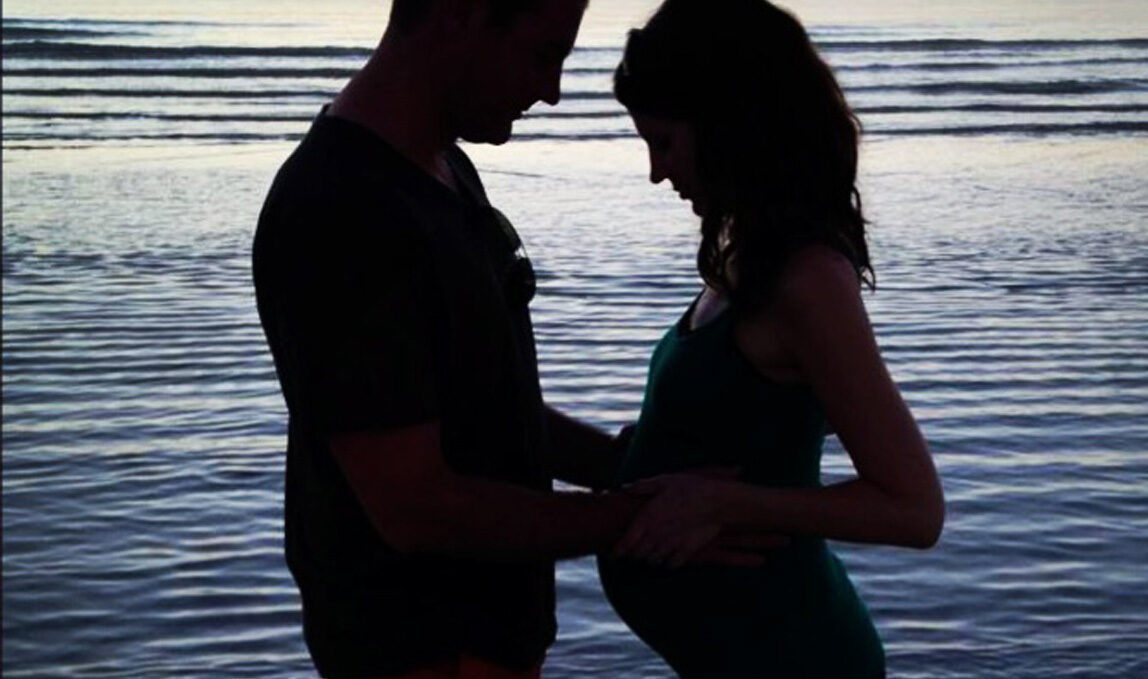
After an excruciating two-week wait, Kelli and her husband received wonderful news. Kelli was pregnant! They had waited so long and fought so hard, but hearing that Kelli was pregnant made it all worth it in the end.
Welcoming baby Aubrey
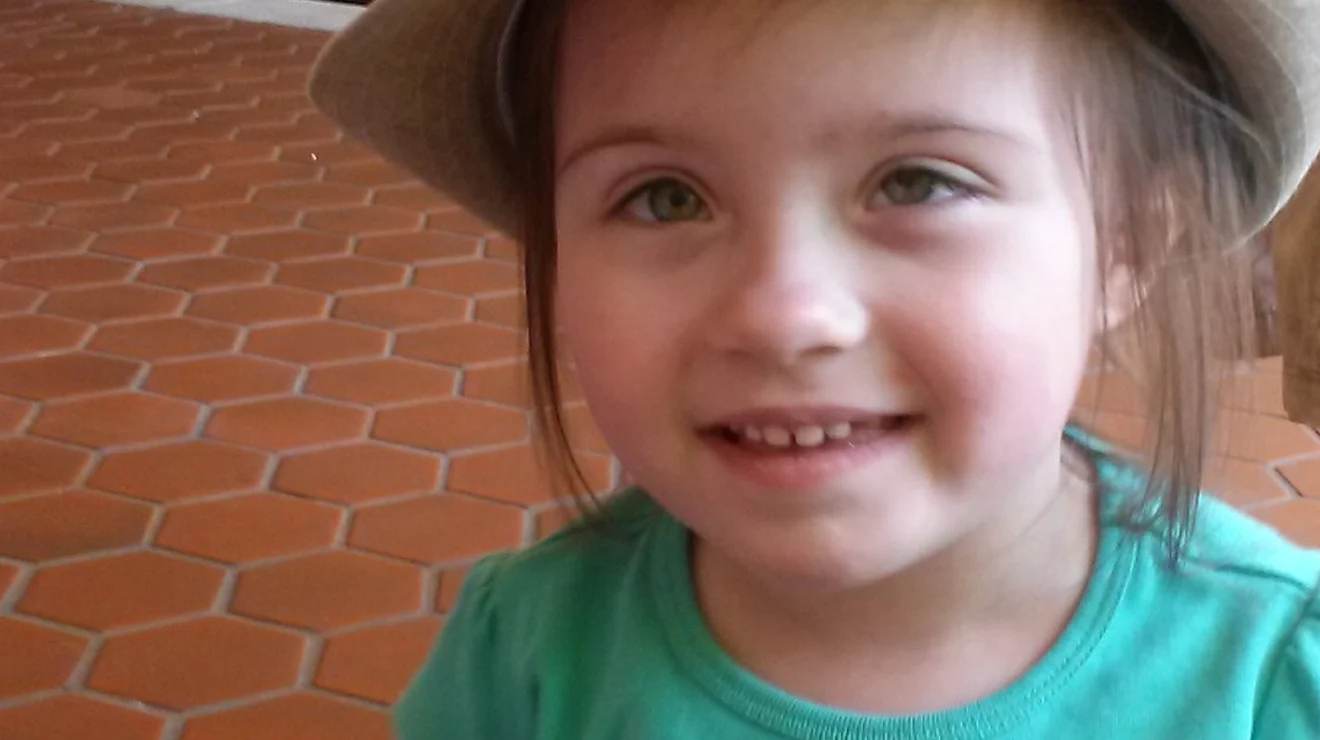
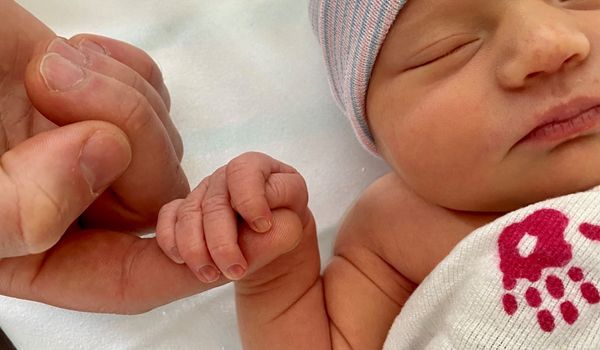
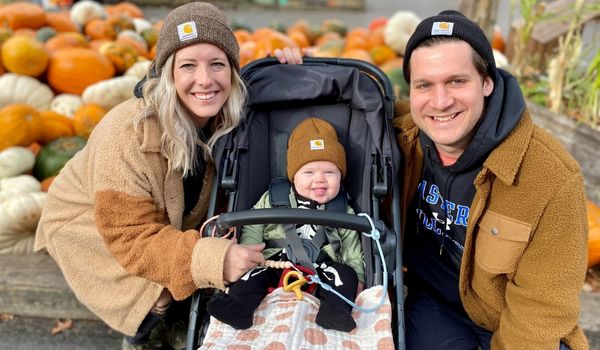
In May 2022, Kelli and her husband welcomed a baby girl named Aubrey. Kelli shared that her now almost 9-month baby girl is constantly smiling and giggling. “She loves to shriek and stick her tongue out at everyone.” Kelli added, “She is the light of our life. We have a silly nickname for her, we call her “Squinchy” because she always makes a sweet, squished face when she smiles and laughs at us. We are forever thankful to FCI for giving us the opportunity to create our precious girl!”
On using a donor
When reflecting on their decision to use a donor, Kelli admits it wasn’t easy at first. “I’m so glad we pursued the donor route. In the beginning, we were like no, no, no we’re not going to do that. That just seems weird, and we aren’t going to do that. But learning more and going through the process and realizing it’s just someone sharing DNA [helped us make our decision].” She continued, “It wasn’t as emotionally daunting as I thought it was going to be now that she’s here in our arms. It’s like, this is our daughter, this is our family. How could we not even consider this? I’m so thankful that someone chose to do that, and it worked.”
Kelli’s words of wisdom for others in treatment
Treatment was a rollercoaster for Kelli and her husband. Based on their experience, they could write a whole book about how to survive! But she has a few tidbits that she thinks anyone going through treatment should know.
First, “Don’t be so hard on yourself. You are amazing for going through any infertility treatment. Have hope and don’t be afraid to take a break from treatment when it gets to be too much.”
Another bit of advice she has is to remain united with your partner throughout the process. “I thought going through infertility would be the most difficult for me. But I realized that my
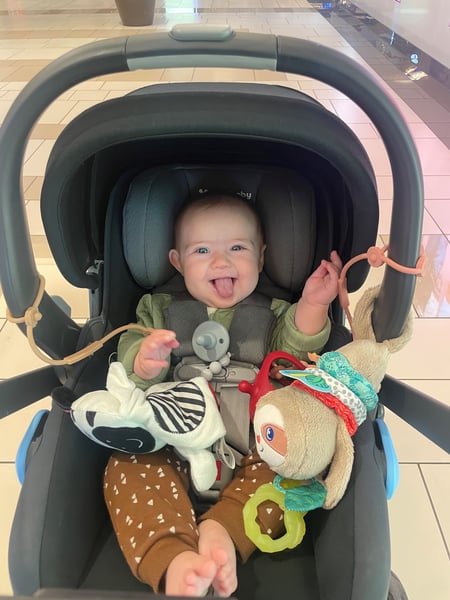
husband was right there with me even though he wasn’t going through the physical aspects of treatment. Leaning on each other was really important. Including your partner, or whoever you’re doing this with, in the happiness and even the sadness. Everything. Doing it together is important.”
Finally, Kelli reminds those going through treatment to celebrate every little thing. “Even if it’s like, oh you ovulated that month. Try to celebrate every tiny win.”