twitter-stripe
blog-stripe

FCI Launches In House Egg Donor Program
Read about how we are now providing a one stop shop for couples

Free e-newsletter
Subscribe now to monthly news delivered directly to you

Events & Seminars
See a list of all our fertility support groups and classes 

Success Rates

How to go beyond the numbers English French German Italian Japanese Portuguese Russian Spanish

FCI Blog

AddThis Social Bookmark Button


Fertility Centers of Illinois Launches In House Egg Donor Program

PDF Print E-mail
Friday, 19 February 2010 19:11
AddThis Social Bookmark Button
We are excited to announce that the Fertility Centers of Illinois has officially launched an Egg Donor Program, making us the only in house program in Chicago offering third party reproduction options, fertility treatment, fertility counseling and more in one place.

Why Our Program Is Different

While most programs require appointments at various locations such as an Egg Donation office, fertility clinic, psychiatrist office and medical testing facility, we provide all services in one place, as well as 10 clinic locations to choose from. This allows intended parents and donors to move through the process quickly and conveniently without the involvement of an outside agency.

Dr. Jane Nani of FCI serves as the Director of the Egg Donor Program, and works very closely with both donors and couples during the entire screening and donation process. All donor psychological evaluations and fertility counseling services for couples are provided by FCI Psychologist, Dr. Marie Davidson. Dr. Davidson has worked in the area of fertility counseling for more than 18 years.

Setting the New Industry Standard in Donor Selection

All donor applicants undergo an extensive screening process that far exceeds the requirements of the American Society for Reproductive Medicine (ASRM) prior to being entered in the donor database, a crucial step not practiced by other agencies until the intended parents have selected an egg donor. This saves intended parents time, stress, money and the inconvenience of starting from scratch should a donor be found to have screening complications which prevent moving forward.

Donors are first asked to fill out an application to be considered. Should they pass the application, they are asked to complete a full day of screening which involves a psychological evaluation, genetic testing for fragile X and cystic fibrosis, a physical and gynecological exam, STD testing, an Ultrasound to determine ovarian potential and the requirement of a current pap smear within 24 months.

Making Fertility Treatment Affordable for Everyone

In an effort to help all patients afford treatment and significantly boost their chance of pregnancy success, Fertility Centers of Illinois (FCI) offers the Attain IVF Refund Program; a unique treatment option designed to increase the odds of a baby for Infertility patients by offering an affordable course-of-treatment approach. The program promises patients pursuing a child via egg donation a baby or 100% of their money back.

For more info on the FCI Egg Donor Program go to www.fcidonor.com or call 877/ 324-4483 to schedule an appointment today.
 

Simple Saliva Test To Detect and Prevent 100+ Genetic Diseases Now Available In Illinois

PDF Print E-mail
Wednesday, 03 February 2010 17:15
AddThis Social Bookmark Button
Rare genetic diseases like those seen in the new Harrison Ford movie "Extraordinary Measures" can now be detected prior to pregnancy and prevented by performing a simple saliva test that is covered by many insurers. The movie centers on the real-life efforts of a Connecticut family working to find a cure for a rare genetic disease named Pompe, which affects two of the family’s three children. Unfortunately, the condition was not detected until after their children were born.

The good news is that couples can now take a Universal Genetic Test prior to pregnancy, in order to determine whether their unborn may be at risk for developing more than 100 life-threatening genetic diseases such as Tay-Sachs, spinal muscular atrophy and cystic fibrosis.

Test results are received after two weeks, then discussed and reviewed carefully with the patient’s physician. Should there be a risk for genetic disease, couples can work with a reproductive endocrinologist (fertility specialist) to screen their embryos prior to IVF through the Embryo screening technique called Preimplantation Genetic Diagnosis (PGD). The most advanced PGD technique, called Microarray, allows all 24 chromosomes to be tested for abnormalities or genetic disease, providing advanced capabilities in selecting only healthy, viable embryos for transfer during IVF.

This Universal Genetic Test was invented by scientists from Stanford and Harvard and brought to the public via a Stanford startup named Counsyl. The test is now offered by physicians at more than 100 prestigious medical centers across the country, and has attracted the support of doctors from the nation’s largest hospitals, prominent academics from Yale, Harvard, and UCLA, as well as religious leaders and families with genetic disease.

If you are interested in learning more about the Universal Genetic Test and how it can assist in your family planning, contact FCI at 866/606-2830.
 

Advanced Fertility Testing Now Screens All 24 Chromosomes for Abnormalities

PDF Print E-mail
Friday, 29 January 2010 18:36
AddThis Social Bookmark Button
We are proud to announce that FCI is one of the first centers in the U.S and the first in Illinois to offer a new and more advanced method of Preimplantation Genetic Diagnosis (PGD), a cutting-edge fertility technology used in conjunction with IVF that screens embryos for abnormalities and genetic disorders prior to Implantation.

Called Microarray, this new technology is far more thorough and accurate than previous methods of testing, and provides more advanced capabilities in detecting chromosomal abnormalities that may interfere with Embryo implantation, result in pregnancy loss, or the birth of a child with physical problems or developmental delays.

Now screening all 24 chromosomes (xy) and providing more rapid results, Microarray can be used on both fresh and frozen embryos. Previous PGD techniques could only test a maximum of 9 – 12 chromosomes, which left 12 or more untested. This limited testing may have led to 1 in 4 cases of Aneuploidy (a specific chromosome abnormality) to be missed. Sadly, if an embryo with such abnormalities was transferred during In Vitro Fertilization, it may be unlikely to create a healthy, full-term pregnancy.

Some genetic conditions that are screened for and reduced using PGD technology include Down Syndrome, Turners Syndrome and Kleinfelters Syndrome. Candidates for PGD testing include those experiencing recurrent miscarriage, previous unsuccessful IVF cycles, unexplained Infertility, Male Factor Infertility, or women of advanced maternal age.

If you are interested in learning more about Microarray, call FCI to make an appointment at 866-606-2830. We will continue to stay on top of the latest fertility technology to provide you with the most advanced options possible!
 

10 Ways to Increase Male and Female Fertility

PDF Print E-mail
Thursday, 17 December 2009 23:40
AddThis Social Bookmark Button
By Laurie Pawlik-Kienlen

A fertility doctor describes how to boost your chances of conceiving a baby with these ten ways to increase male and
female fertility. These tips for getting pregnant are easy, and can be very effective!

“Many couples…want to start or grow their family,” says Dr. Meike Uhler of the Fertility Centers of Illinois. “Sadly, with
Infertility affecting one in six couples in the US and both men and women equally, this can sometimes be a
challenging task. However, there are many simple measures couples can do together, to boost their conception odds
and have a fresh outlook on their fertility journey.”

She says that many patients are unaware of simple lifestyle changes they can make to enhance the process and
increase conception odds. “In addition to regular exercise, a healthy diet and maintaining a healthy BMI, there are
many simple steps couples can do together to not only improve fertility, but that also create an immediate support
system and motivational bond that can help the entire process.”

For more tips on getting pregnant, click Increase Fertility and Achieve Conception the Natural Way: Boost your
Chances of Getting Pregnant. And, read on for Dr Uhler’s ways to increase fertility for males and females…

5 Tips for Getting Pregnant for Men

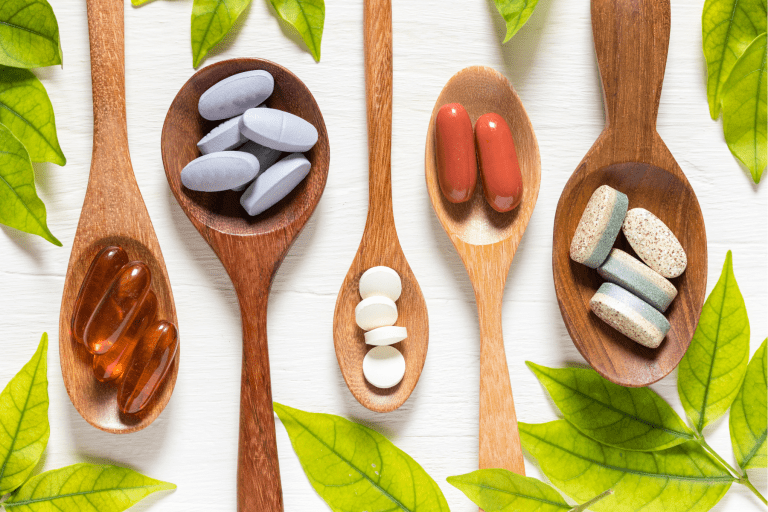
1. Take a multivitamin. Even if you don’t take vitamins, now is the time to start. To improve sperm health, the
vitamin should contain B12, C (500 mg daily), E (400 IUS daily), Arginine, L-Carnitine, Zinc (20 mg daily), Selenium
(200 mcgs daily), and Coenzyme Q10. Zinc increases sperm metabolism while Vitamins C and E contain antioxidants
that prevent free radical damage.

2. Avoid excessive heat and pressure. To increase male fertility (and sperm!), it’s imperative to keep heat and
pressure to the scrotal area at a minimum. Avoid tight fitting undergarments and bike riding for lengthy periods of
time. Don’t place laptops on your lap, enter saunas and hot tubs, or take hot showers.

3. Avoid certain prescription medications. Certain medications may decrease fertility, so it is best to speak with
your doctor and find alternatives if necessary. Medications known to affect fertility are Paxil, Anabolic Steroids,
Antibiotics containing nitrofurans and macrolides, sulfasalazine which is found in anti-diarrheal medication and
ketoconazole which is found in anti-fungal medication.

4. Limit caffeine consumption. Large amounts of caffeine can decrease fertility, so eliminate or limit caffeine intake
to 300 mg per day. One or two servings such as a soda and a coffee should be the maximum caffeine consumption
per day.

5. Balance your bedroom activity. When trying to get pregnant, regular sex about three times a week is advised.
Going without for longer than six days can be detrimental to fertility, however taking small breaks every day or two
can increase the volume and potency of sperm. Also keep in mind that men are most fertile in the morning, and have
higher sperm counts in cool weather!

5 Tips for Getting Pregnant for Women

1. Take prenatal vitamins. For your health and your future baby’s health, it is crucial to take prenatal vitamins daily.
Start at least one month prior to conception; studies show consumption of folate for at least one month before
conception can decrease chances of neural tube defects by 70%. As the pregnancy progresses, the vitamin C in the
supplements will help create a placenta that will remain strong through the full pregnancy.

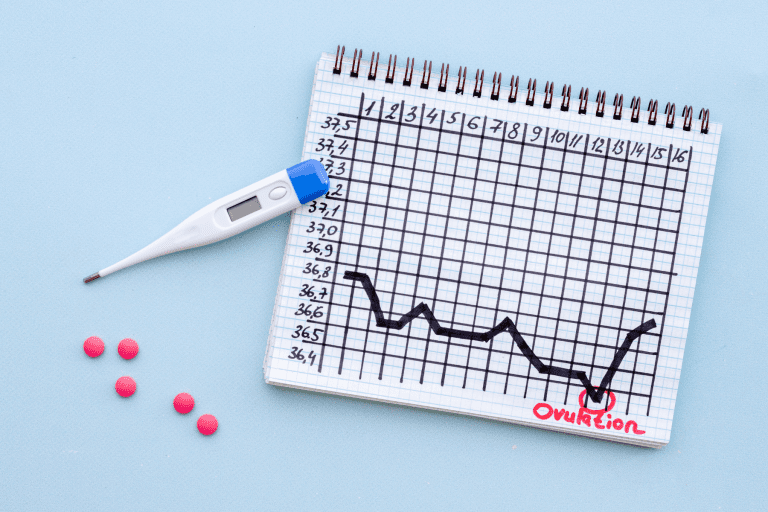
2. Use an Ovulation calendar. Using an ovulation calendar to chart when you are ovulating will help you pinpoint
when you are most fertile. An ovulation prediction kit can also help by notifying you 24-48 hours prior to ovulation. For
the best chance of pregnancy, it is best to have sex on the days you are ovulating and the day after.

3. Avoid chemicals and eat organic foods. To increase female fertility, minimize and eliminate toxins in the body
by avoiding artificial sweeteners, caffeine, alcohol and other chemicals. Eat a balanced diet consisting of organic,
nutrient-rich foods such as fruits, vegetables and lean proteins.

4. Get a diabetes screening. Research shows that women diagnosed with diabetes and who maintain poor blood
sugar and insulin levels, are four to six times more likely to give birth to babies who have birth defects. Consult your
doctor for a diabetes screening, eat an appropriate diet, and closely monitor blood sugar and insulin levels if
necessary.

5. Avoid excessive or high impact exercise. Recent studies show that women who exercise excessively decrease
their chances of pregnancy as over-exercising negatively impacts ovulation and fertility. If you are currently in a
strong workout regiment, switch to low intensity exercises such as swimming, yoga, and walking. Avoid high intensity
activities like aerobics and long distance running.
 

A Couple’s Guide: Coping with Infertility During the Holidays

PDF Print E-mail
AddThis Social Bookmark Button
The holidays are a special time of the year - time with family and friends, a parade of parties, festive meals and lots of excited children. While the holiday season is a time of celebration and cheer, it can also be a time of stress and sadness for those coping with Infertility. For many of these couples, participating in holiday events that focus primarily on children can be a painful reminder of what has not yet happened.

However, if you are currently on the fertility journey, don’t feel you need to avoid the seasonal celebrations altogether in order to cope. Simply set a plan in place and most importantly listen to how you feel and what you need. Consider the following seven tips to not only help you survive the festivities, but enjoy the seasonal cheer as well.

Plan a Party Schedule: Make a detailed plan with your partner about organized events you will attend, not attend, and host. Review your list and assess what you are truly comfortable with, then cut it back to what you feel you can manage.

Set a Personal Time Limit: The goal of the holidays is to enjoy yourself and your company, not focus on only pleasing others. Give yourself permission to shorten your attendance at gatherings that are very child-centered within a personal time limit that works for you.

Make Special Plans: Do you love watching the tree lighting ceremony every year, or ice skating hand-in-hand with your partner? Plan some special and festive things to do with just your partner—whether that is a special dinner, a walk to see beautiful holiday lights, or a classic holiday play.

Take Time for Yourself: If possible, consider a quick getaway that can help you calm your mind and refocus your thoughts and emotions. Whether it is a day, an afternoon, or an hour at a spa – do what your schedule allows and you need.

Focus on Giving Back: A surefire way to feel better is to volunteer and help others. Making a positive difference in your community, such as volunteering at a soup kitchen or an organization that reaches out to the homeless, will brighten your holiday spirits and renew your cheer.

Stay Present: With all of the fast-paced activity, it is easy to let your thoughts drift and unintentionally isolate yourself from your surroundings. Make an effort to stay in the moment, which is usually a calm and safe place to be, even in the midst of holiday bustle and pressures.

Keep the Faith: Believe in yourself and your dreams, and know that there will be a resolution for you, even though you don't know exactly what or when. Remember - after each holiday season arrives a new year, bringing renewed hope, strength and new beginnings to all. Anything is possible.

If you would like more information, or to make an appointment with our clinical psychologist Dr. Marie Davidson, call 1-866/ 606-2830. Dr. Davidson has been working specifically with couples and individuals coping with infertility for the past ten years and is able to help provide a unique, qualified and personal perspective. Best of luck on your fertility journey!
 
<< Start < Prev 1 2 3 4 5 6 Next > End >>

Page 1 of 6