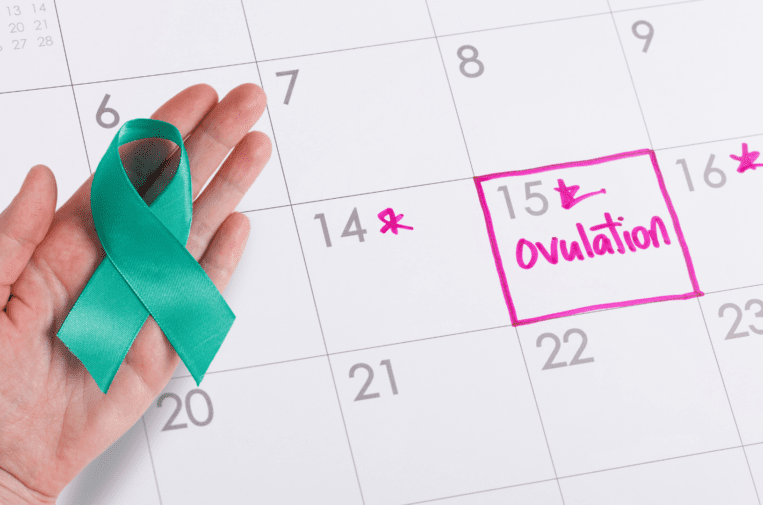
Polyendocrine metabolic ovarian syndrome (PMOS), formerly known as Polycystic Ovary Syndrome (PCOS), is a hormonal disorder affecting 1 in 10 women of reproductive age. PMOS often leads to irregular menses, ovarian cysts, hormonal imbalances, and various other symptoms. That’s why it’s especially important to understand how to track and manage your menstrual cycle if you have PMOS. Gaining insight into your cycle can help you identify patterns, manage symptoms, and ultimately take control of your reproductive health. Dr. Karine Matevossian, a reproductive endocrinologist at Fertility Centers of Illinois, offers essential tips for tracking and managing your cycle when trying to get pregnant with PMOS.
Is PCOS the same as PMOS?
Yes, Polyendocrine metabolic ovarian syndrome (PMOS) is the updated name for the condition previously known as Polycystic Ovary Syndrome (PCOS). The science, diagnosis criteria, and treatments remain the same. The name was updated in May 2026 to more accurately reflect the hormonal and metabolic nature of the condition.
Why did PCOS get renamed?
The new name more accurately reflects the hormonal and metabolic nature of the condition.
What are PMOS Symptoms?
Understanding your cycle with PMOS starts with recognizing distinct symptoms and patterns. Irregular or absent periods are common, making it tough to pinpoint ovulation and fertile windows. Along with menstrual irregularities, hormonal imbalances may lead to excessive hair growth, acne, and weight fluctuations. Cycles can vary widely, so I recommend monitoring the frequency, duration, flow, and accompanying symptoms of your period to identify trends over time and unearth if your cycles are shorter or longer than the typical 28 days. This tracking becomes a vital tool for understanding how PMOS specifically impacts you, providing valuable information for healthcare discussions and helping you manage your reproductive health more effectively.
How Can You Use Ovulation Prediction Kits When You Have PMOS?
Ovulation prediction kits (OPKs) can be a valuable tool but have limitations for those with PMOS. These kits detect the surge in luteinizing hormone (LH) that typically precedes ovulation. However, due to hormonal imbalances associated with PMOS, many individuals experience irregular LH surges, which can lead to misleading results on OPKs. This inconsistency often makes it difficult to accurately identify the ovulation period. Additionally, an LH surge does not always equate to ovulation. To improve reliability and improve your chances of conception, it’s beneficial to use OPKs in conjunction with other methods, such as observing cervical mucus changes.
Can Diet, Exercise, and Lifestyle Changes Help PMOS?
Diet and lifestyle play pivotal roles in managing PMOS and regulating menstrual cycles. A balanced diet rich in whole foods, lean proteins, healthy fats, and plenty of fruits and vegetables can help combat insulin resistance, a common issue among those with PMOS. Reducing processed sugars and refined carbohydrates can also stabilize blood sugar levels and contribute to hormonal balance. Regular physical activity is equally important —not only for maintaining a healthy weight but also for improving insulin sensitivity and potentially restoring ovulation. By incorporating these lifestyle changes, you can create a more conducive environment for regular cycles.
Can You Get Pregnant with PMOS?
Many women with PMOS get pregnant on their own, but if you are struggling to conceive help is available. If you are planning on starting a family, we recommend consulting with a fertility specialist who can provide support on your fertility journey, identify roadblocks to conception and develop a personalized treatment plan.
While the journey to parenthood may present challenges, utilizing available tools and resources can significantly improve your chances. Stay proactive, informed, and hopeful as you navigate this path to achieving your dream of becoming a parent.
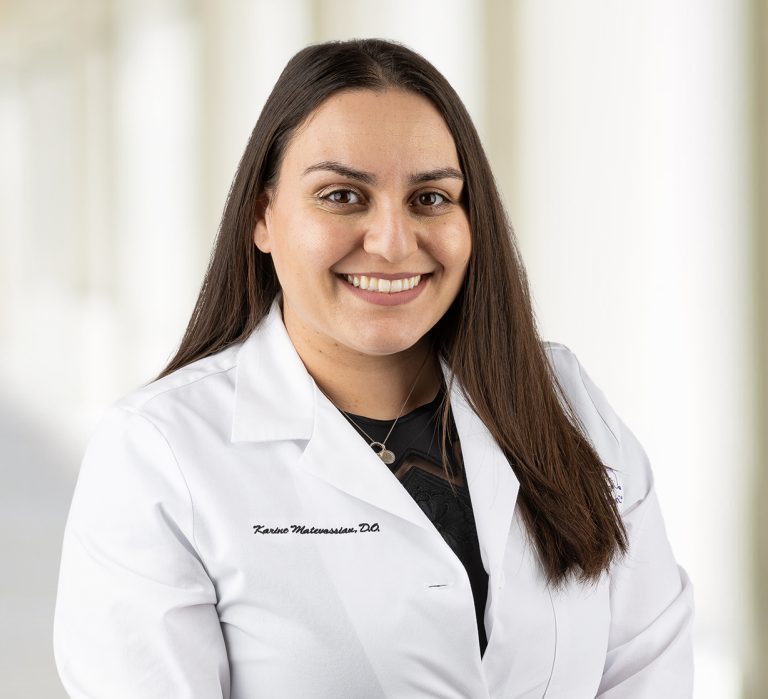
Medical contribution by Karine Matevossian, D.O.
Karine Matevossian, D.O. believes in empowering patients to make informed decisions about their reproductive health. Her approach to patient care is both personalized and evidence-based, ensuring that each patient receives the best possible outcomes. Dr. Matevossian has a particular passion for egg freezing, embracing the chance to support those looking to preserve their ability to expand their families in the future.